Ever feel like you’re talking to a furry little wall when you call your puppy’s name? You say, “Come!” and they give you a look that says, “I’ll think about it,” before trotting off to investigate a fascinating dust bunny. You’re not alone! Teaching a reliable recall—getting your dog to come back to you every single time—is one of the most important, and sometimes most frustrating, parts of puppy training.
But what if training didn’t have to be a chore? What if you could teach this life-saving skill while laughing and playing with your entire family? Enter Puppy Ping Pong. This isn’t your average, repetitive training drill. It’s a dynamic, engaging game that taps into your puppy’s natural desire to play and be with their people. It transforms recall from a command they have to obey into a game they want to win. In this guide, we’ll break down everything you need to know to become Puppy Ping Pong champions, strengthening your bond and building a recall you can count on, one fun “serve” at a time.
Setting the Court: What You’ll Need for Puppy Ping Pong
Getting Ready for the Fun
Before you start the game, you’ll want to gather a few simple things to set yourself up for success. The beauty of Puppy Ping Pong is its simplicity—you likely have everything you need right at home. This isn’t about fancy equipment; it’s about creating a positive and rewarding environment for your pup.
- The Players: You need at least two people. This is the perfect activity for couples, parents and kids, or even roommates. The more the merrier, as it teaches your puppy to come to different people.
- A Safe, Distraction-Free Space: A hallway or a living room with the doors closed is perfect. You want to start in an environment where your puppy can’t get easily sidetracked by a squirrel outside the window or the allure of a different room. Keep toys put away for the first few sessions.
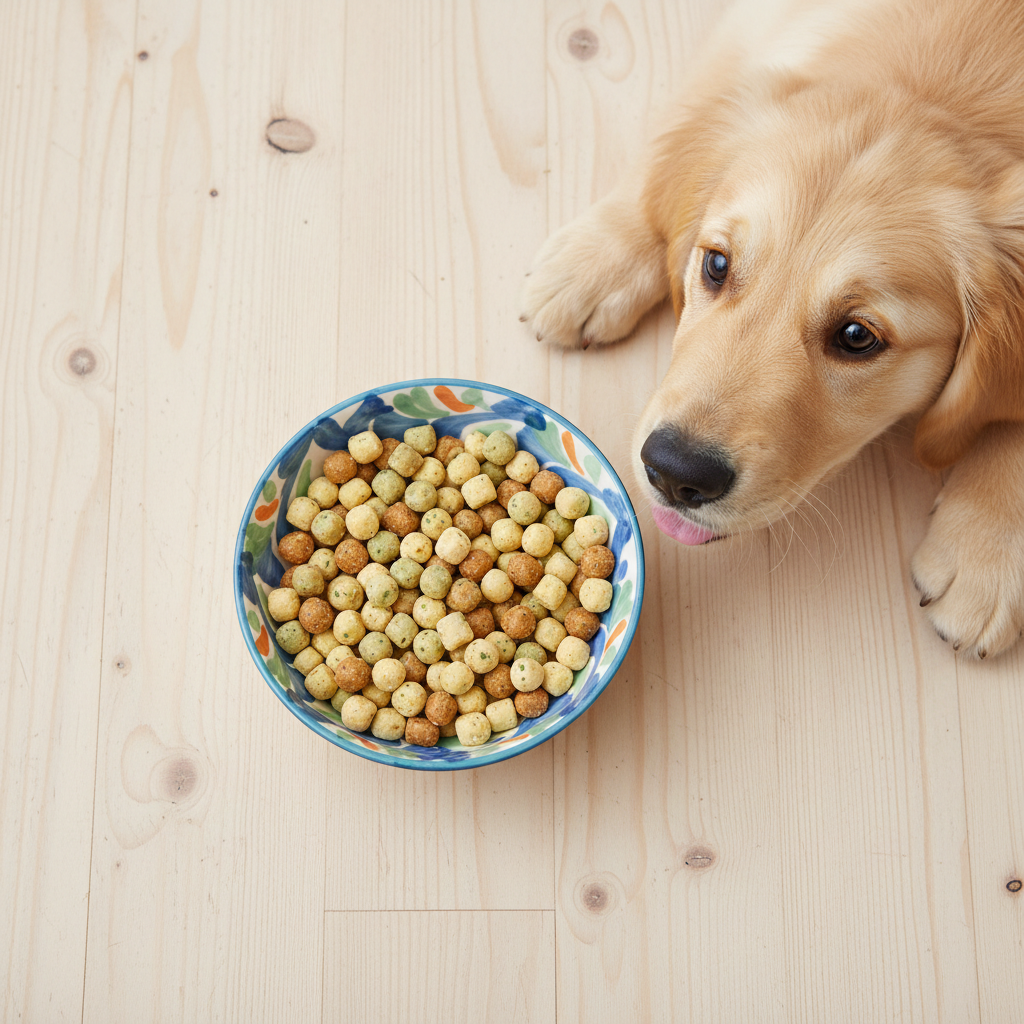
- High-Value Treats: This is crucial! Your everyday kibble might not cut it. You need something extra special that your puppy goes crazy for. Think tiny pieces of cooked chicken, cheese, hot dogs, or soft, smelly training treats. The treats should be small—about the size of a pea—so you can give many rewards without filling up your pup’s tummy too quickly.
- An Enthusiastic Attitude: This might be the most important item on the list! Dogs are incredibly attuned to our energy. If you’re excited and happy, they will be too. Bring your best “happy puppy” voice and a big smile.
Expert Tip: Prepare your treats in advance and have them ready in each person’s pocket or a small bowl next to them. Fumbling for treats mid-game can break the flow and cause your puppy to lose interest.
The Rules of the Game: A Step-by-Step Guide
Alright, team, it’s game time! The rules are simple, and the goal is for everyone, especially your puppy, to have a blast. Remember to keep the energy high and the praise flowing. Let’s break it down step-by-step.
Step 1: Get into Position
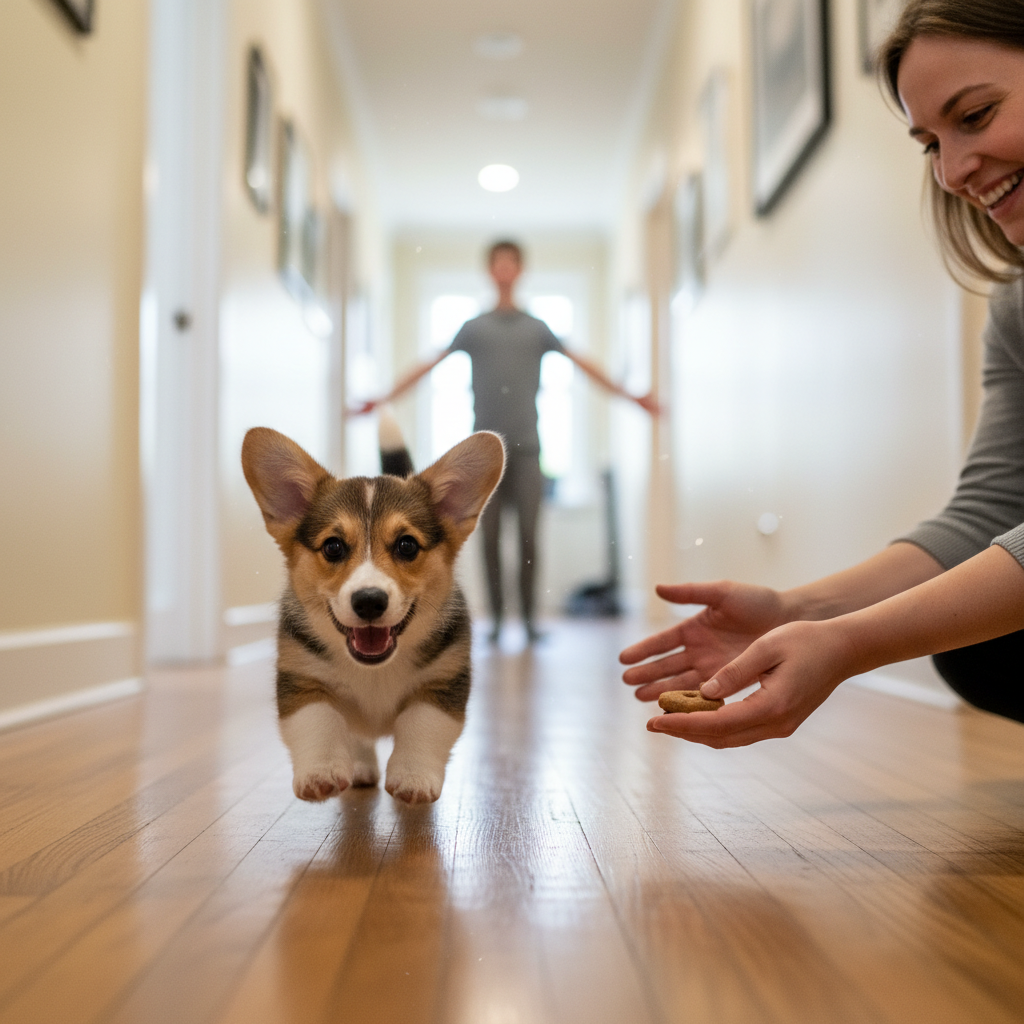
The two players should sit or kneel on the floor facing each other. Start with a relatively short distance, maybe 6-8 feet apart. This makes it super easy for your puppy to succeed right from the start. Each person should have their stash of high-value treats ready.
Step 2: The First ‘Serve’
Player One starts the game. Get your puppy’s attention by saying their name in an excited, happy tone. As soon as they look at you, say your recall cue—like “Come!” or “Here!”—and open your arms wide in a welcoming gesture. Pat the floor in front of you and use your body language to be as inviting as possible.
Step 3: The Reward and ‘Return’
The moment your puppy starts moving towards Player One, that player should shower them with verbal praise like “Yes, good come!” When the puppy arrives, give them a delicious treat and lots of love (pets, scratches, whatever they enjoy). While the puppy is enjoying their reward, Player Two gets ready.
Step 4: The ‘Volley’
As soon as the puppy finishes their treat with Player One, it’s Player Two’s turn! Player Two calls the puppy’s name with the same enthusiasm, followed by the “Come!” cue. When the puppy turns and runs to Player Two, they get the same fantastic reward: praise, a treat, and affection. You’ve just completed your first volley!
Step 5: Keep the Rally Going
Continue this back-and-forth motion, like a ping pong ball, for about 5-10 volleys. The key is to end the game before your puppy gets bored or tired. You always want to leave them wanting more. End the session with a special “jackpot” reward—a few extra treats and a big celebration to mark a successful game.
Level Up: Making the Game More Challenging
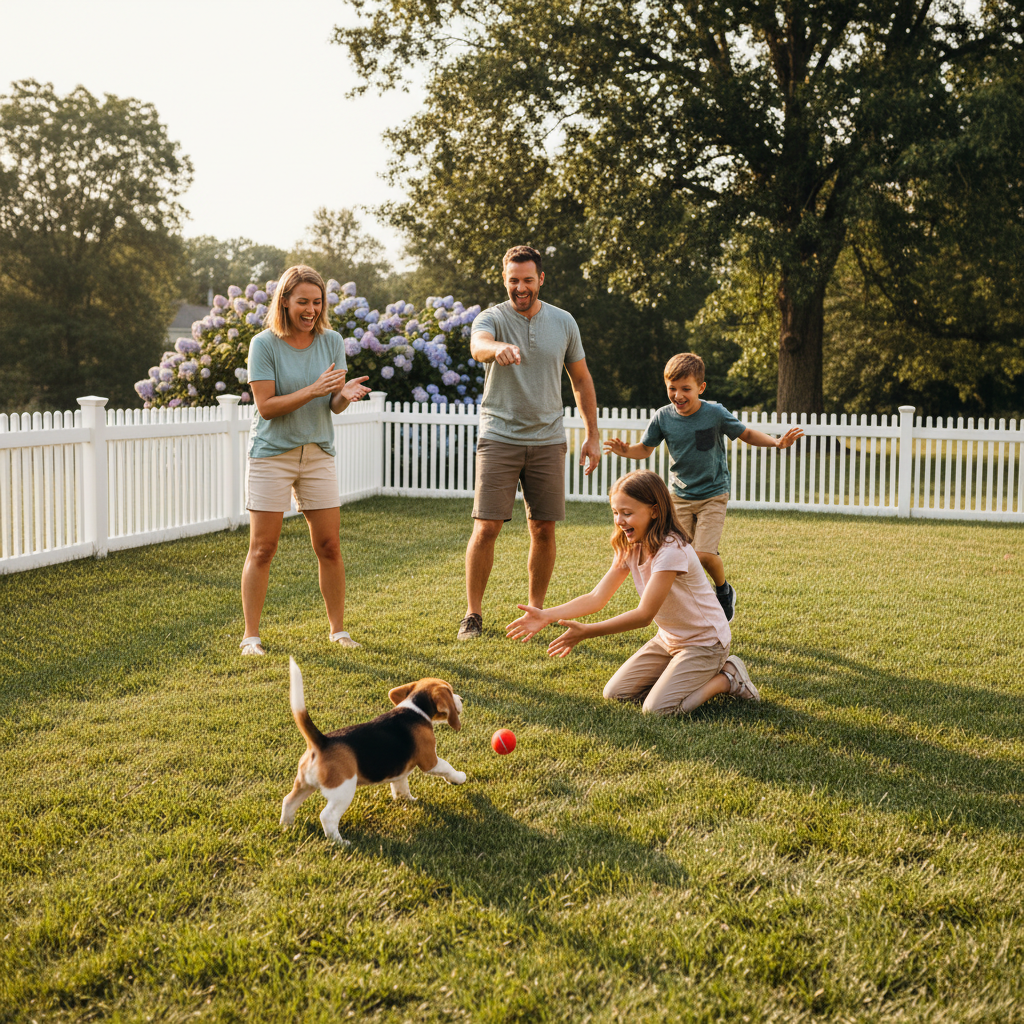
Once your puppy has mastered the basics in the hallway, it’s time to increase the difficulty. The goal is to gradually proof the behavior so it works in more distracting environments. The key word here is gradually. If you increase the difficulty too quickly, your puppy may get confused or frustrated.
Increasing Distance
The easiest way to level up is to simply increase the space between the players. Move from the hallway to a larger living room. Start moving further and further apart. Can your puppy successfully come from 20 feet away? How about 30?
Adding More Players
Turn your ping pong game into a “monkey in the middle” game! With three or more family members, sit in a circle. Have players take turns calling the puppy in a random order. This teaches your pup to listen carefully for who is calling them and respond to different people.
Introducing Minor Distractions
Now, let’s add a little challenge. While one person is calling the puppy, another person can create a very mild distraction. For example:
- Lightly crinkle a piece of paper.
- Squeak a toy once (but don’t throw it).
- Walk slowly across the room.
When your puppy chooses to ignore the distraction and come to you, they deserve an extra-big reward! This teaches them that coming to you is always the most rewarding choice, no matter what else is happening.
Changing Venues
Take the game to a new room in the house. Then, graduate to a securely fenced backyard. The new sights and smells are distractions in themselves. By playing the game they know and love in a new place, you’re teaching them that “Come!” means the same thing everywhere.
Remember: If your puppy fails at a new level, that’s okay! It just means you increased the difficulty too fast. Simply go back to the previous level where they were successful, play a few easy rounds, and then try the harder version again in your next session. Keep it positive!
Troubleshooting: Common Fouls and How to Fix Them
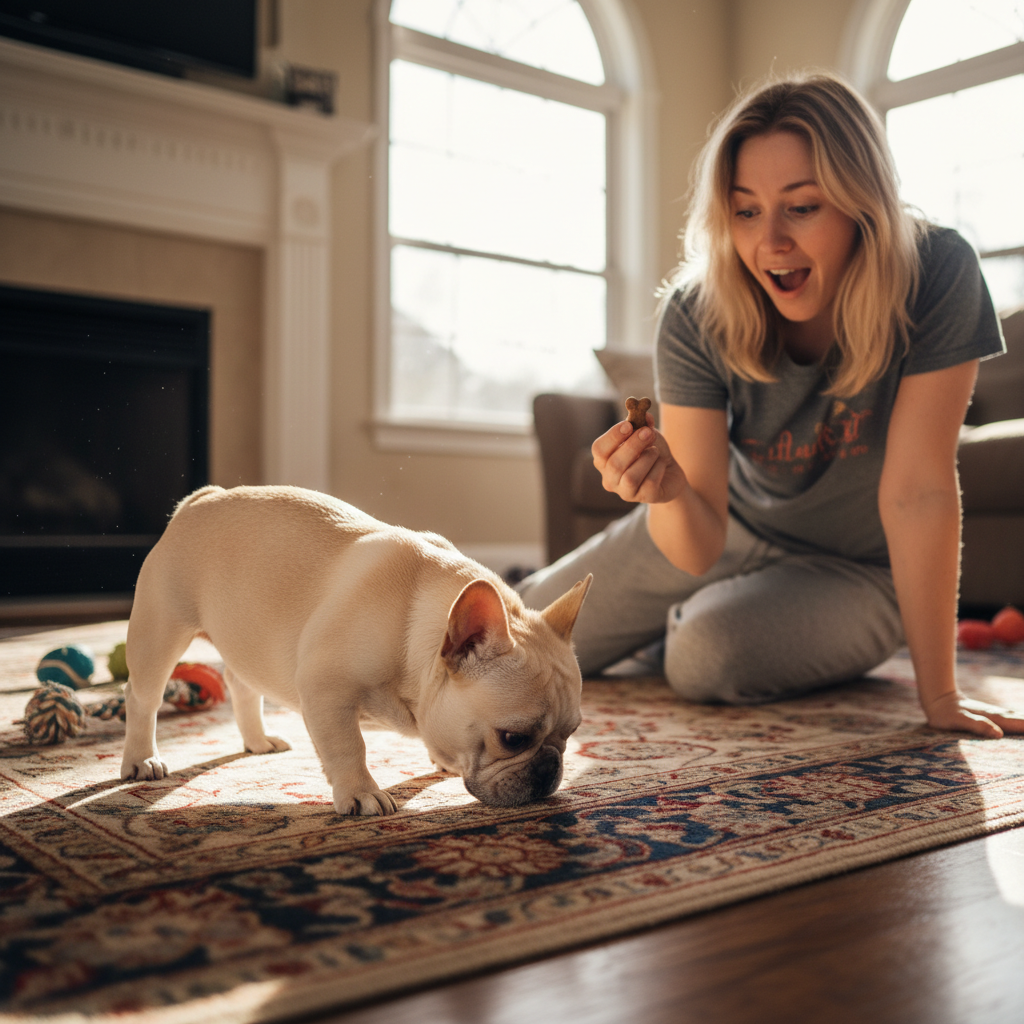
Even the most fun games can have a few hiccups. Don’t worry if things don’t go perfectly at first. Training is a process of communication and problem-solving. Here are some common issues you might encounter and how to handle them with a positive attitude.
My puppy gets distracted and wanders off mid-game.
This is a classic! It usually means one of two things: the environment is too distracting, or the rewards aren’t valuable enough. First, try moving back to a less distracting area (like the hallway). Second, up the ante on your treats! If you were using regular training treats, try switching to tiny bits of cheese or chicken. Make yourself more exciting than whatever else is competing for their attention.
My puppy runs to the wrong person.
This can happen, especially with multiple players. It’s important that only the person whose turn it is calls the puppy. Everyone else should remain quiet and relatively still. If the puppy comes to you by mistake, simply ignore them (no treat, no praise). The person who was supposed to call them should try again with a little more enthusiasm to get their attention.
My puppy seems bored or tired.
Puppies, especially young ones, have very short attention spans. It is always better to have five super-short, enthusiastic sessions of 1-2 minutes each than one long, 10-minute session where they lose interest. If you see your puppy start to slow down, yawn, or sniff around, end the game on a high note with one last successful recall and a big reward. Always leave them wanting more!
Here’s a quick reference table for common problems:
| The Problem | The Quick Fix | Long-Term Strategy |
|---|---|---|
| Puppy loses focus | Use a higher-value treat and a more excited voice. | Play in a less distracting environment and gradually build up to more challenging spaces. |
| Puppy doesn’t start moving | Make yourself more enticing! Pat the floor, make silly noises, and use open body language. | Keep initial sessions very short and easy to build a strong foundation of success. |
| Puppy gets tired quickly | End the game immediately on a positive note. | Keep all training sessions under 5 minutes, especially for young puppies. |
From Game Time to Real Life: Applying Your Skills
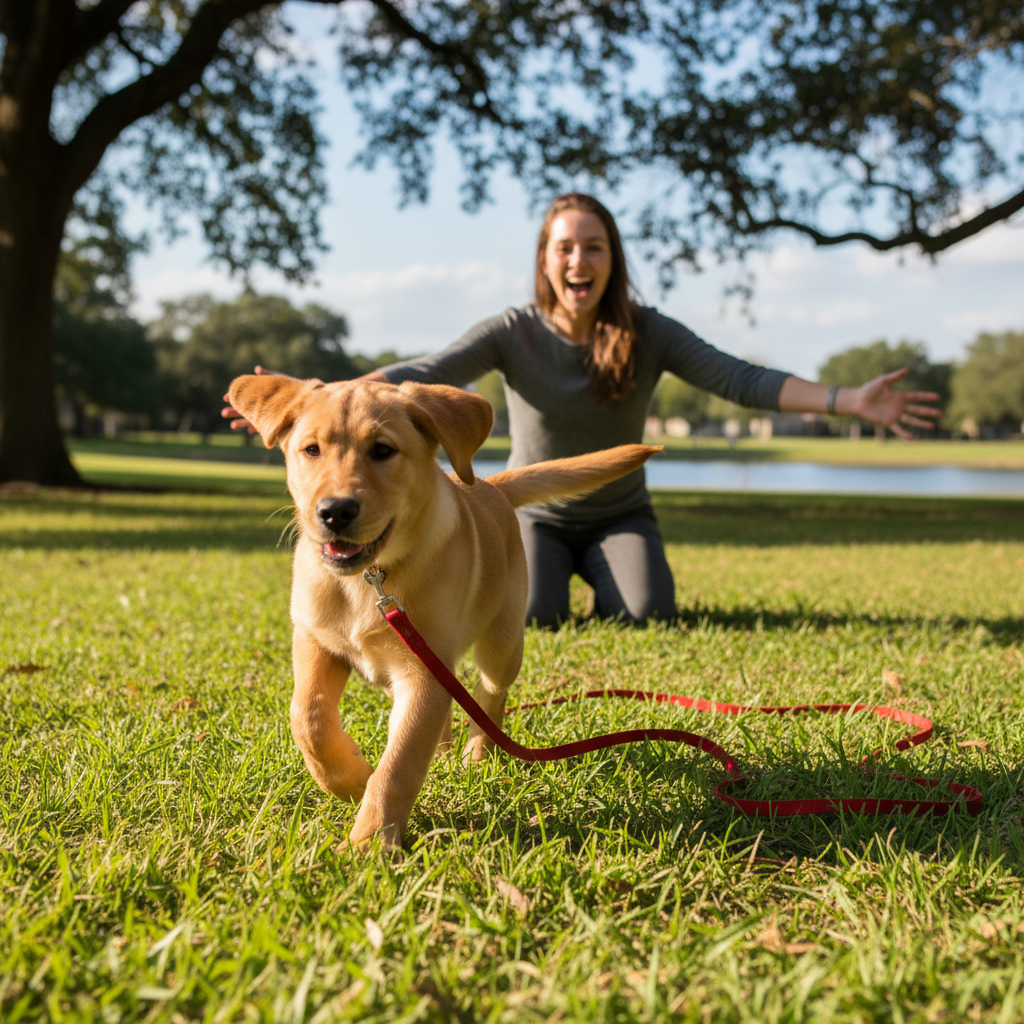
The ultimate goal of Puppy Ping Pong isn’t just to have a fun indoor game—it’s to build a reliable recall that works in the real world. Every round you play is like making a deposit in your puppy’s ‘recall bank account.’ You’re building a massive history of positive reinforcement, making the choice to come to you automatic and joyful.
Connecting the Cue
By consistently using the same cue (“Come!”) in the game, you are giving that word incredible power. Your puppy learns that “Come!” means “run as fast as you can to your people for the best party ever!” This positive association is what will make them choose you over a tempting squirrel at the park.
Real-World Scenarios
Once your puppy is a Ping Pong pro, you can start using the cue in everyday situations. Here’s how to transition:
- In the House: When your puppy is in another room, call them to you with your happy, game-time voice. When they arrive, throw a party just like you would in the game.
- In the Backyard: Practice calling them away from interesting smells. Start when they are not too engrossed. Success builds on success. Call them, reward them, and then release them to go back to sniffing with a cue like “Go play!” This teaches them that coming to you doesn’t always mean the fun ends.
- On a Long Line: Before ever attempting off-leash recall in an unenclosed area, practice at a park with a long training leash (20-30 feet). This gives your puppy freedom while ensuring you have a safety net to gently guide them if they get distracted.
Crucial Safety Note: Never use your recall cue to punish your dog or for something they dislike, like a bath or nail trim. This will poison the cue and teach them that coming to you can lead to bad things. If you need to do something unpleasant, simply go and get your dog without using the recall word.
By turning training into a beloved family game, you’re not just teaching a command. You’re building a relationship based on trust, communication, and shared joy. That’s a foundation that will last a lifetime.
Conclusion
Puppy Ping Pong is so much more than a training exercise; it’s a recipe for a stronger, happier relationship with your dog. It weaves a crucial life-saving skill into moments of family fun, proving that training doesn’t have to be a rigid, formal affair. By making recall the best game in the house, you’re building a foundation of trust and enthusiasm that will pay off for years to come, whether you’re in the living room or out in the wide world.
So, grab your family, pocket some tasty treats, and get ready to play. You’re not just training your puppy—you’re making memories and forging an unbreakable bond. Game on!