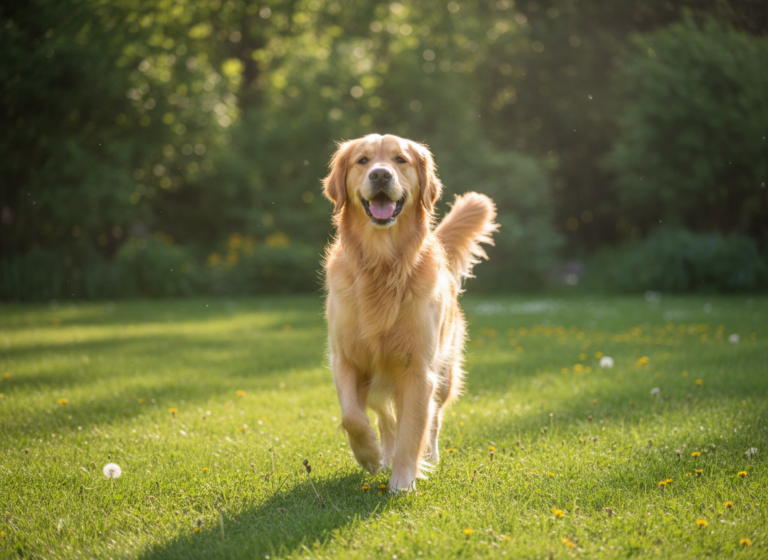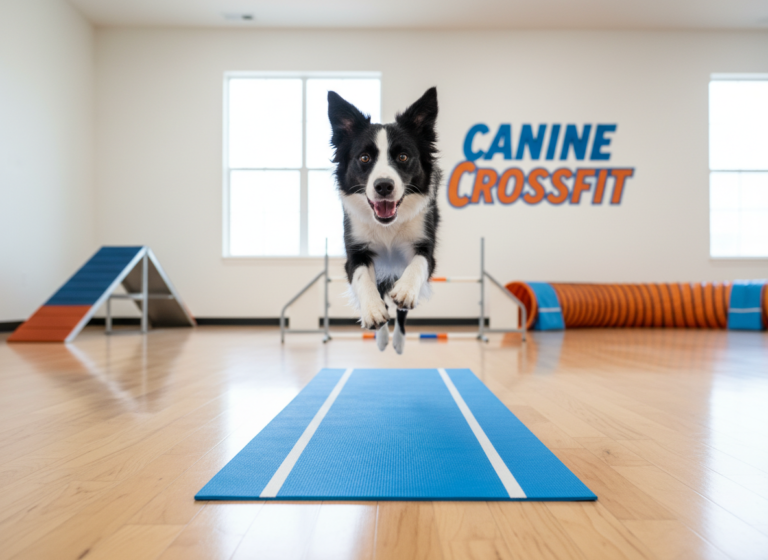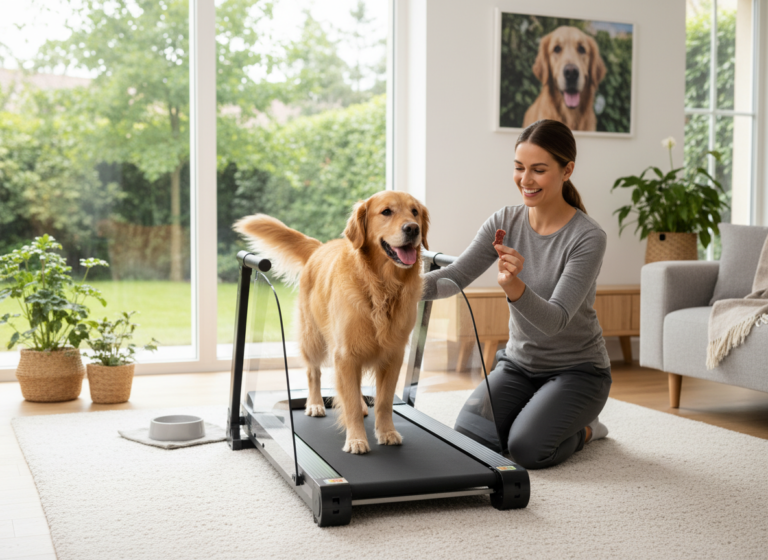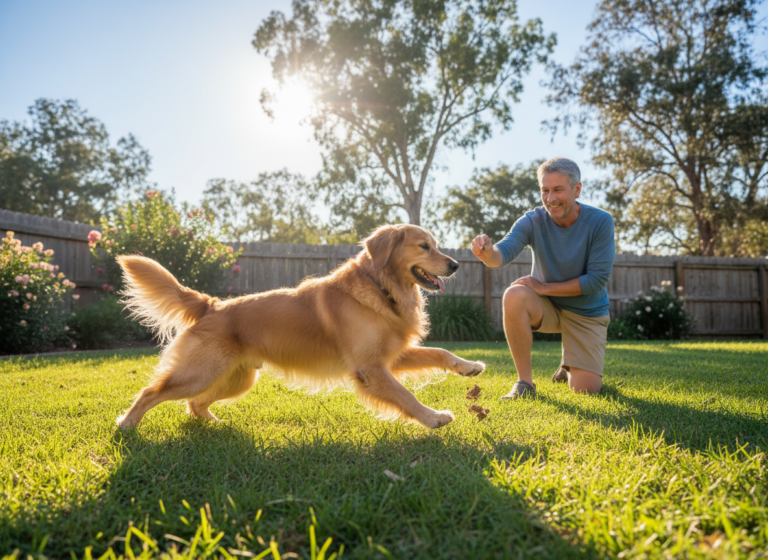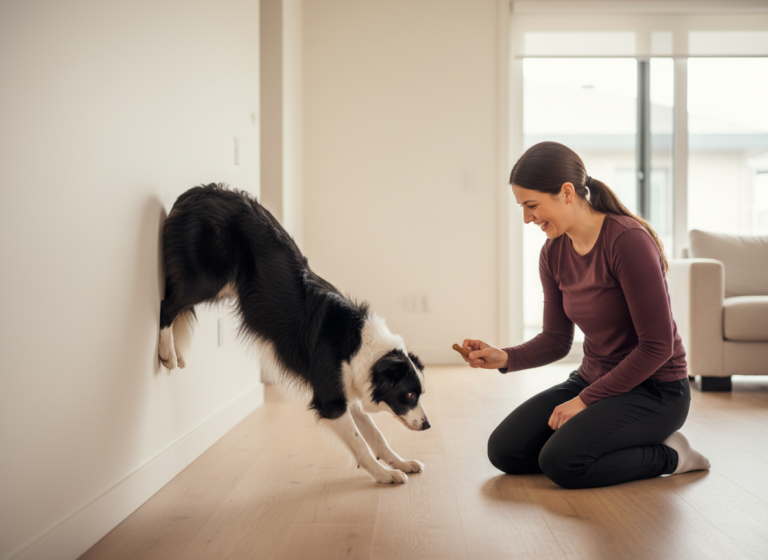
Have you ever watched your dog execute a hairpin turn at full speed in the backyard, or leap into the air to snag a favorite toy? It’s pure joy on four legs! Our canine companions are natural athletes, but just like human athletes, they’re susceptible to sprains, strains, and other injuries. While we can’t wrap them in bubble wrap (as much as we might want to sometimes!), we can do something proactive and fun to protect them: core conditioning.
You might think of ‘core workouts’ as something for gym-goers, involving planks and crunches. But for dogs, a strong core is the absolute foundation of their physical health. It’s their body’s central support system, stabilizing the spine, improving balance, and powering every single movement they make. A weak core can lead to a higher risk of injuries, especially in the back and joints.
The great news? Building your dog’s core strength doesn’t have to be a chore. In fact, it can be an incredible bonding experience. We’ve put together five fun, simple, and vet-approved exercises you can easily incorporate into your daily routine to turn your pup into a resilient, well-balanced athlete. Let’s get ready to play our way to a stronger, healthier dog!
Why a Strong Core is Your Dog’s Secret Superpower
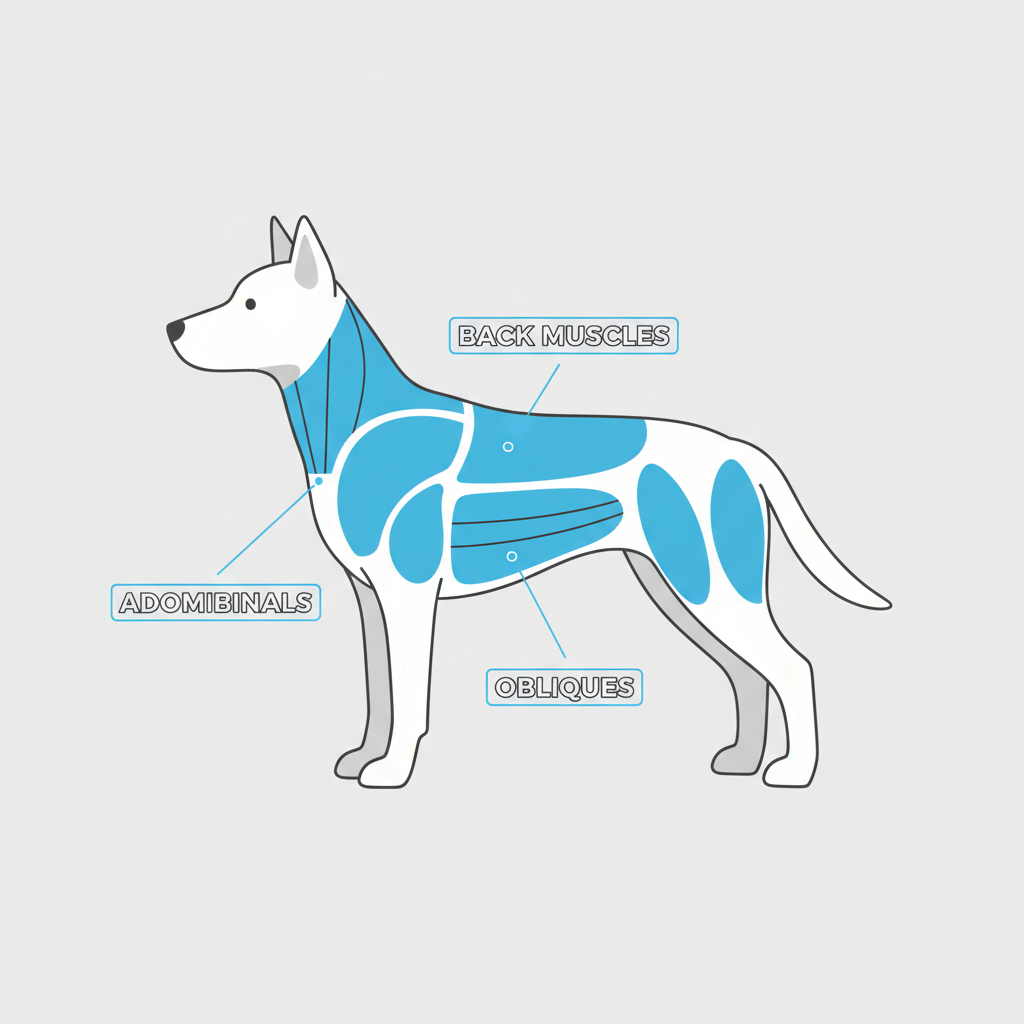
Before we jump into the fun stuff, let’s quickly geek out on why a strong core is so crucial for your furry friend. A dog’s core isn’t just about their tummy muscles. It’s a complex group of muscles that includes the abdominals, the muscles along the spine, the obliques, and even parts of the pelvis. Think of it as a natural corset that holds everything together.
Here’s what this muscular ‘super suit’ does:
- Stabilizes the Spine: A strong core acts like a girdle, protecting the delicate vertebrae from jarring movements during high-impact activities like running and jumping. This is especially vital for breeds prone to back issues, like Dachshunds and Corgis.
- Improves Balance and Body Awareness: Have you ever seen a dog trip over its own feet? Better core strength leads to better proprioception—your dog’s sense of where their body is in space. This reduces clumsiness and helps them navigate uneven terrain with confidence.
- Powers Movement: Every leap, twist, and turn originates from the core. A powerful core allows for more efficient and explosive movements, whether your dog is chasing a ball or competing in agility.
- Reduces Strain on Joints: When the core is doing its job, there’s less stress on the hips, shoulders, and knees. The core muscles absorb much of the impact, saving the joints from wear and tear over time.
Expert Tip: Core conditioning isn’t just for canine athletes! It’s beneficial for dogs of all ages and activity levels, from playful puppies to senior dogs who need extra support to stay mobile and comfortable.
Ready, Set, Go! Safety and Prep for a Great Workout
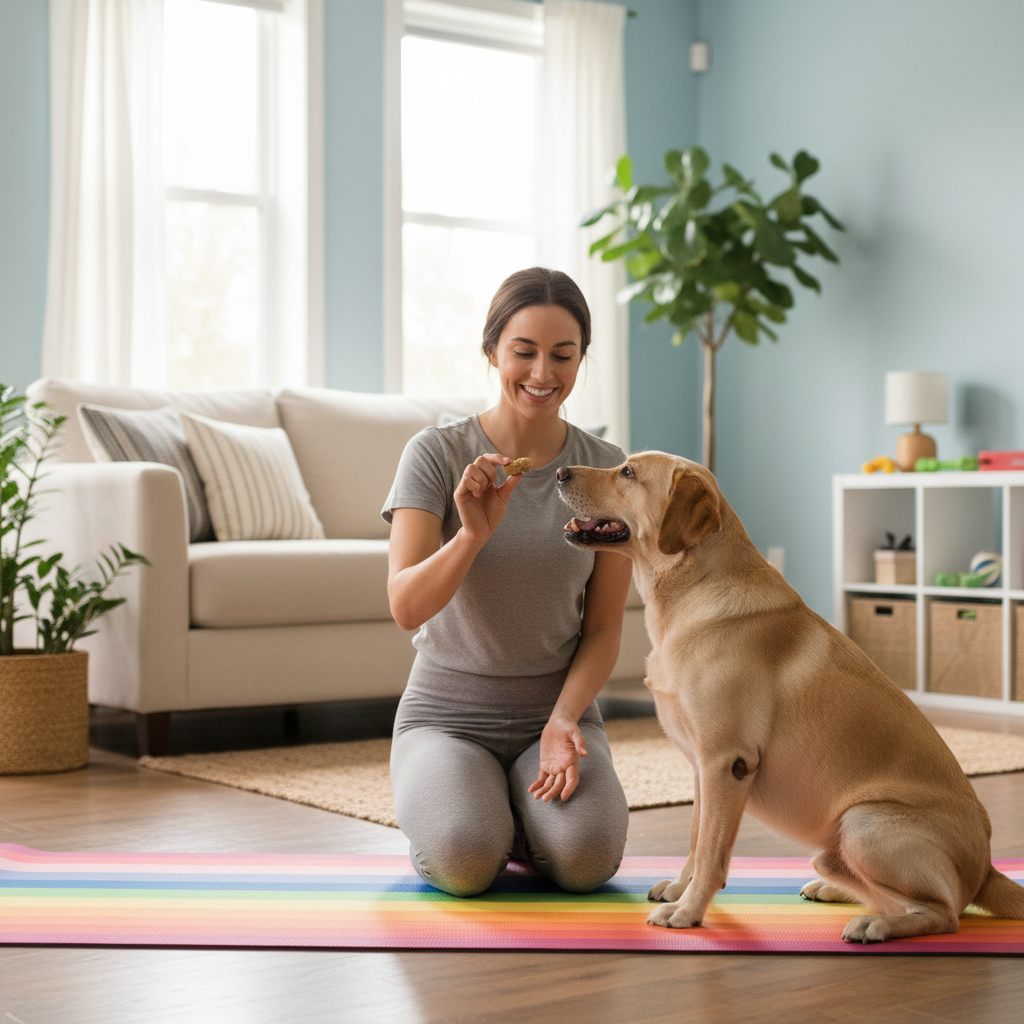
Excited to get started? Fantastic! But first, let’s lay down some ground rules to ensure every conditioning session is safe, positive, and effective. Think of this as your pre-flight check.
Warm-Up and Cool-Down
Just like us, dogs need to warm up their muscles. A brisk 5-minute walk before you start is perfect. This gets the blood flowing and prepares their body for exercise. Afterward, a similar 5-minute cool-down walk helps prevent stiffness.
Choose the Right Surface
Perform these exercises on a non-slip surface. A rug, carpet, or a yoga mat is ideal. Avoid slippery hardwood floors or tile, as this could cause your dog to lose their footing and potentially injure themselves.
Keep it Short and Sweet
These exercises are about quality, not quantity. A 5-10 minute session a few times a week is plenty. We’re building muscle, not running a marathon. Watch your dog for signs of fatigue, like excessive panting or lagging interest. Always end on a high note while they’re still having fun!
Positive Reinforcement is Key
This should be a game! Use high-value treats (small, tasty morsels they love), praise, and toys to motivate your dog. Every effort, no matter how small, should be rewarded. This builds a positive association with the exercises and strengthens your bond.
Important: If your dog has any pre-existing health conditions, is recovering from an injury, or is a senior, please consult with your veterinarian or a certified canine rehabilitation professional before starting any new exercise program. They can help you tailor the activities to your dog’s specific needs.
Exercise #1: The Play Bow Dance
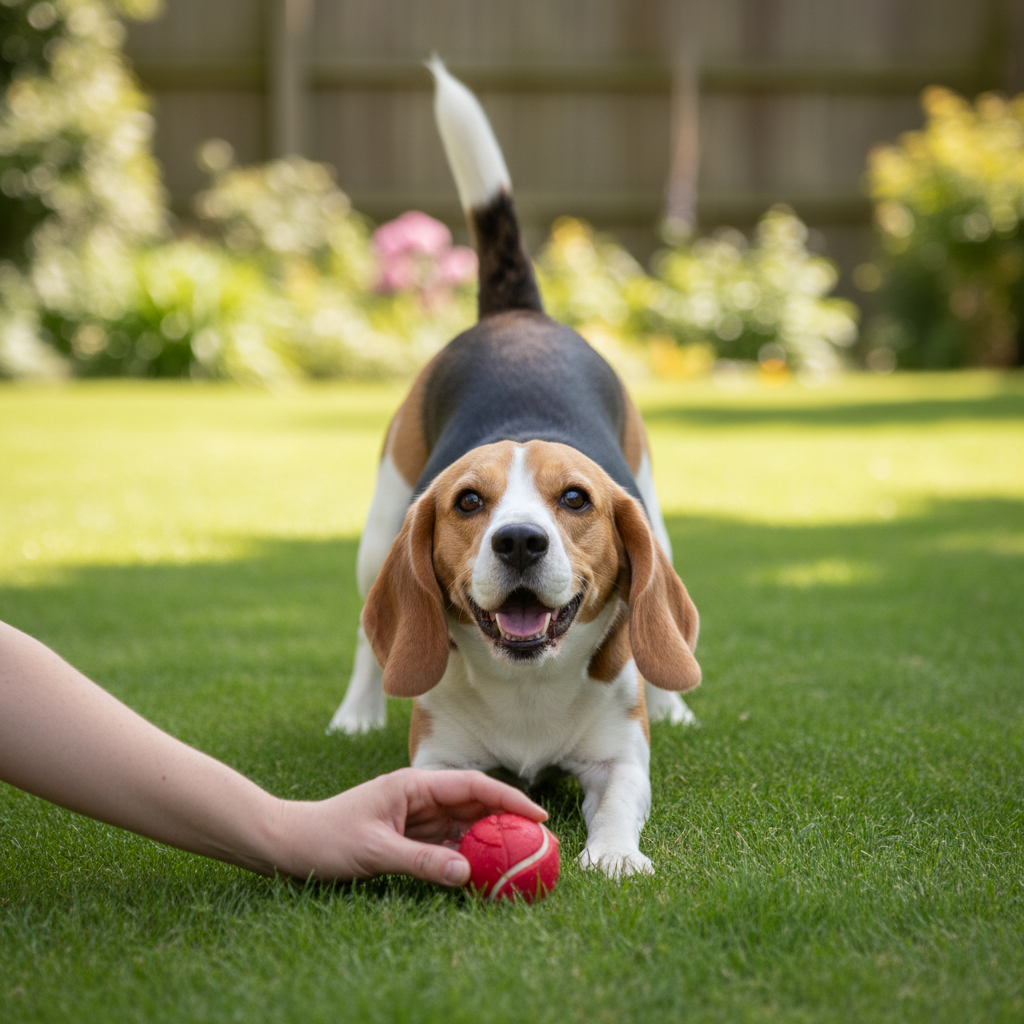
This first exercise leverages a natural canine behavior: the play bow! It’s a fantastic stretch for the shoulders and back, and holding the position requires significant core engagement to stay stable.
How to Do It:
- Start with your dog standing in front of you on a non-slip surface.
- Hold a favorite toy or a tasty treat in your hand. Slowly lower the lure straight down between their front paws.
- As their head follows the lure, their front end will lower into a classic play bow position (front end down, back end up).
- The goal is to have them hold this position. The moment they do, even for a second, say “Yes!” and give them the reward.
- Gradually increase the duration they hold the bow, starting with 1-2 seconds and working up to 10-15 seconds.
Why It Works:
To keep their rear end up while their front end is down, your dog has to fire up all those deep stabilizing muscles along their spine and in their abdomen. It’s like a doggy version of a yoga pose, building both strength and flexibility. You can even make it a ‘dance’ by asking them to bow, then stand, then bow again for a few reps.
Exercise #2: The Three-Legged Stand (Balance Challenge)

This exercise is a powerhouse for improving balance and strengthening the core by creating instability. When you take away one point of contact with the ground, the core has to work overtime to prevent wobbling.
How to Do It:
- Have your dog stand squarely on all four paws. Make sure their weight is evenly distributed.
- Gently pick up one of their front paws, just an inch or two off the ground. Hold it for just 3-5 seconds initially. Your dog will have to shift their weight and engage their core to stay balanced.
- Reward them with praise and a treat while they are balancing, then gently place the paw back down.
- Repeat with the other front paw, and then with each of the back paws. Lifting a back paw is often more challenging!
- As your dog gets stronger, you can gradually increase the hold time up to 15-20 seconds.
Pro Tips:
- Keep your hands close to your dog to provide support if they lose their balance.
- If your dog is struggling, start by just lightly touching their paw instead of lifting it fully.
- Focus on a calm, steady stance. The goal isn’t to make them wobble, but to resist wobbling!
Exercise #3: The Cookie Stretch (Canine Yoga!)
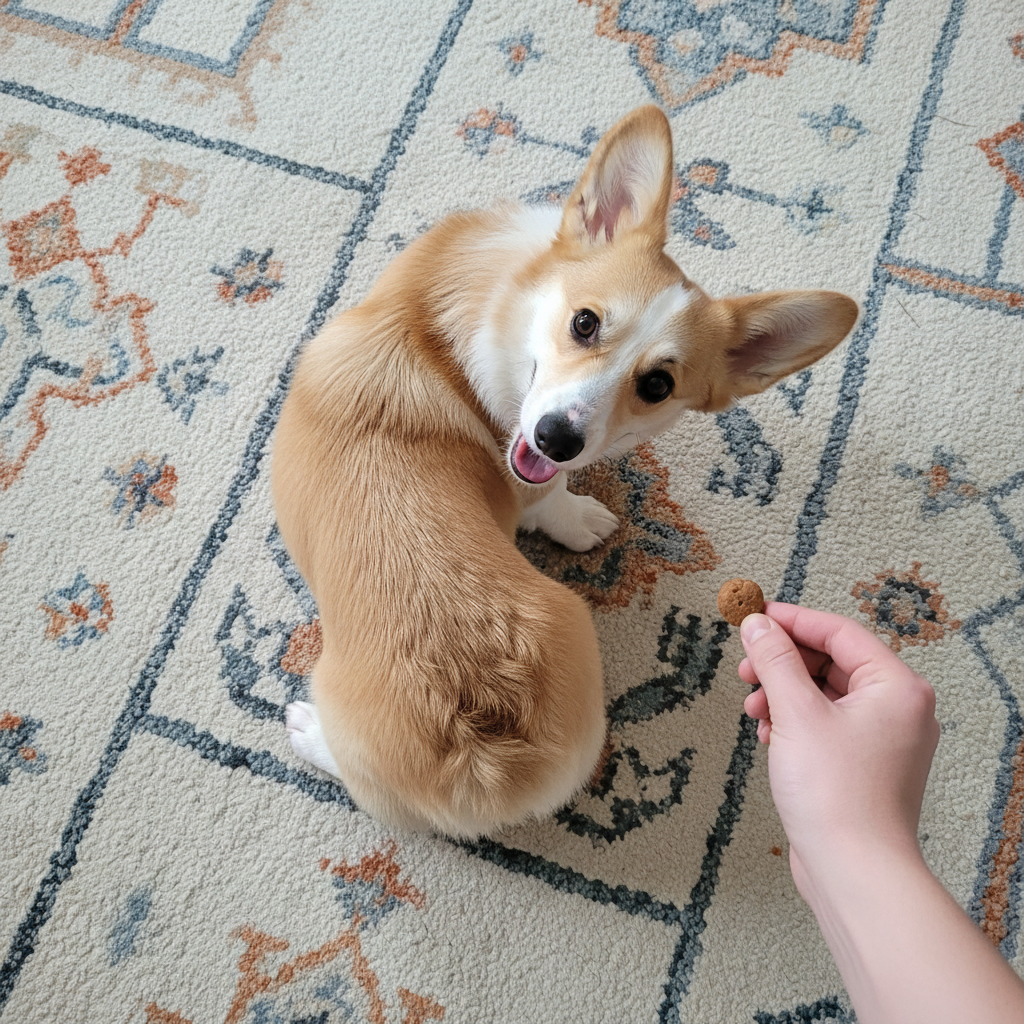
This is a fantastic exercise for improving spinal flexibility and strengthening the oblique muscles along the sides of your dog’s body. Plus, what dog doesn’t love a game that involves cookies?
How to Do It:
- Start with your dog standing straight. Use a smelly, high-value treat to get their full attention.
- To the Hip: Hold the treat near their nose and slowly guide their head around towards their hip. The goal is a gentle C-shaped curve in their body. Once they reach, let them have the treat. Repeat on the other side.
- To the Knee: Now, try to lure their nose down towards their back knee (stifle joint). This creates a deeper stretch.
- Between the Legs: For an abdominal crunch, lure the treat from their nose down towards their chest and between their front legs.
Things to Remember:
- The dog’s feet should remain planted. If they move their feet, they are cheating the stretch! Reset and try again, perhaps not luring them as far.
- Go slowly. This is a stretch, not a race. Smooth, controlled movements are what build strength.
- Do 3-5 stretches on each side.
Exercise #4: The Wobble Board Wonder
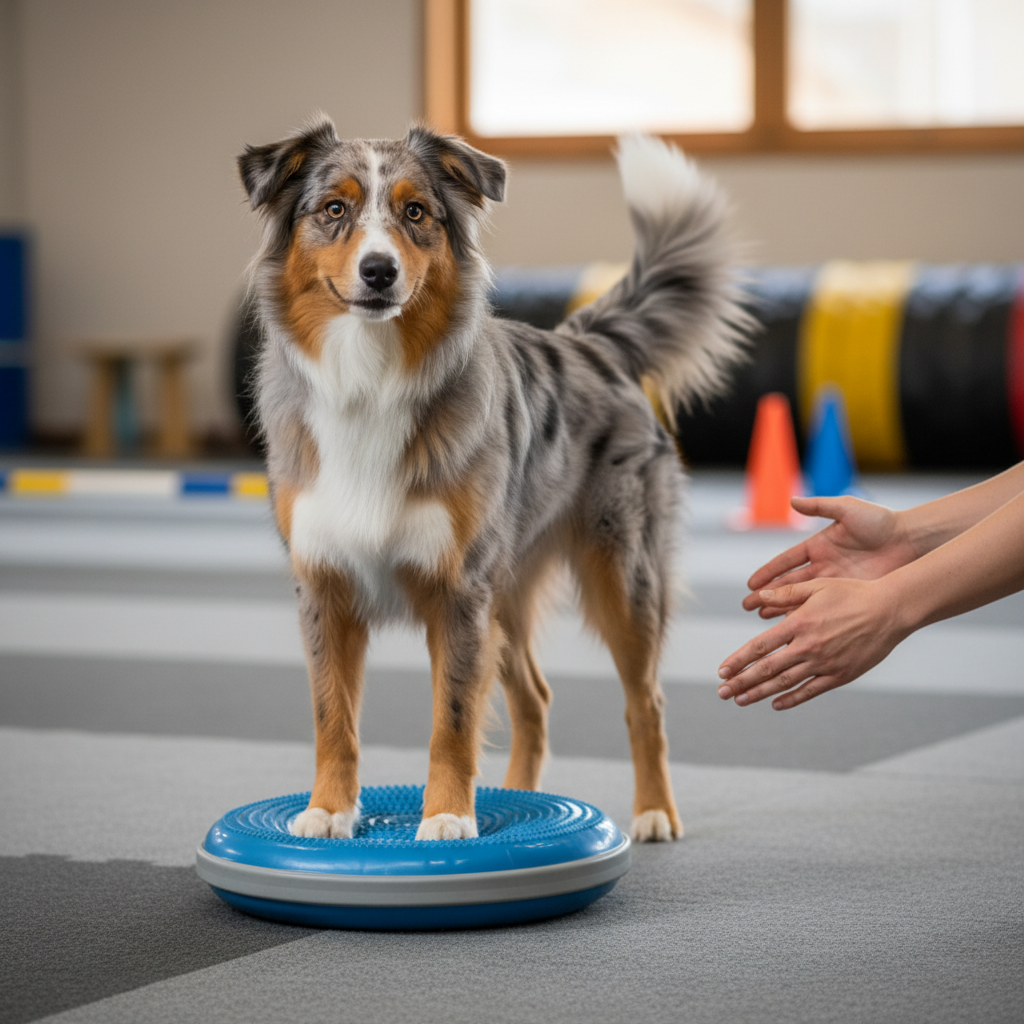
Introducing an unstable surface is one of the fastest ways to level up your dog’s core conditioning. The constant micro-adjustments their body has to make to stay balanced is an incredible workout for all the small stabilizing muscles.
Equipment Needed:
You don’t need expensive equipment to start. You can use a firm couch cushion or a folded-up yoga mat. If you want to invest, canine-specific wobble boards or balance discs are fantastic tools.
How to Introduce It Safely:
- Place the unstable surface on the floor. Let your dog investigate it. Reward any sniffing or interaction with it.
- Lure your dog to place just their front two paws on the surface. Reward them heavily for this! Let them get comfortable with the feeling.
- Once they are confident, lure them to place all four paws on the surface. For the first few times, use your hands to help stabilize the board or cushion so it doesn’t move too much.
- Your initial goal is just for them to stand there for a few seconds. Their muscles will be firing like crazy!
- As they get more confident, you can ask for simple behaviors on the board, like a sit or a down, to further challenge their core.
Safety First: Never force your dog onto an unstable surface. Let them choose to participate. Stay right next to them at all times to prevent them from falling off.
Conclusion
And there you have it—five fun and engaging ways to build your dog’s core strength and help bulletproof their body against injury. Remember, consistency is more important than intensity. Integrating just a few minutes of these exercises into your weekly routine can make a world of difference in your dog’s long-term health, mobility, and confidence.
Think of this not as a workout regimen, but as a new set of games you can play together. By keeping it positive, fun, and rewarding, you’re not only building muscle; you’re building an even stronger bond with your best friend. So grab some treats, find a clear spot on the rug, and get ready to watch your dog become the strong, stable, and super-powered pup they were born to be!